Wembley Central gardeners for terrace garden transformations
Terrace gardens can be a joy, but they can also be awkward little spaces. One windy corner, a patch of shade, a tired-looking deck, and suddenly the whole area feels underused. That is where Wembley Central gardeners for terrace garden transformations come in. With the right planning, planting, and layout decisions, even a compact terrace can become a space that feels calmer, greener, and genuinely worth stepping out into on a weekday evening.
This guide walks through what terrace garden transformations involve, how the process works, what good gardeners actually do, and how to judge whether your terrace is ready for a refresh or a more complete redesign. You will also find practical tips, a clear checklist, and the sort of real-world detail that helps you avoid expensive mistakes. Let's face it: a terrace is too valuable to leave half-finished.
Table of Contents
- Why this matters in Wembley Central
- How the transformation process works
- Key benefits and practical advantages
- Who it is for and when it makes sense
- Step-by-step guidance
- Expert tips for better results
- Common mistakes to avoid
- Tools, resources and recommendations
- Law, compliance, standards, or best practice
- Options, methods, or comparison table
- Case study or real-world example
- Practical checklist
- Conclusion
- Frequently asked questions
Why Wembley Central gardeners for terrace garden transformations Matters
Wembley Central is a busy, built-up part of London, which means outdoor space is often limited, overlooked, or squeezed into a narrow shape that never quite gets the attention it deserves. A terrace garden transformation is not just about making things prettier. It is about making a small or awkward space work harder for everyday life.
That matters for a few reasons. First, terrace gardens tend to be visible from living rooms and kitchens, so if the outside space feels cluttered or tired, the whole home can feel it. Second, terraces often suffer from common issues such as poor drainage, exposed wind, patchy sunlight, and little privacy. Third, the right design can make a modest space feel much larger. Not magically larger, obviously. But noticeably better organised and easier to use.
In our experience, people often wait too long before improving a terrace because they assume it will be expensive or complicated. Truth be told, a sensible transformation can start with one clear decision: do you want a space for relaxing, entertaining, growing plants, or all three? Once that answer is set, everything else becomes easier.
Expert summary: The best terrace garden transformations in Wembley Central are not the flashiest ones. They are the ones that solve real problems first: structure, drainage, planting, maintenance, and privacy. Once those are right, the style comes together naturally.
How Wembley Central gardeners for terrace garden transformations Works
A good terrace transformation usually begins with an honest look at the space as it is now. Not the version you imagine on a sunny Saturday. The real one. That means checking dimensions, access points, sun and shade patterns, wind exposure, privacy issues, and what already lives there. Terraces can have a few surprises hiding in plain sight.
Professional gardeners generally follow a process like this:
- Initial assessment: Measure the space and identify problems such as water pooling, weak surfaces, or overcrowded planting.
- Design direction: Decide on the main purpose of the terrace and the style that suits the home.
- Preparation work: Clear old materials, cut back overgrowth, and prepare the area for new features.
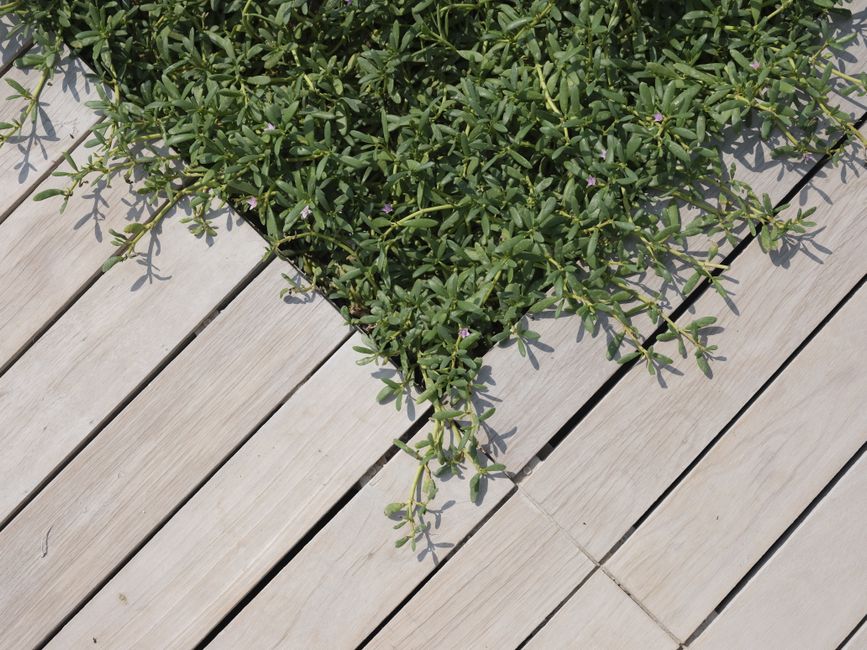
- Structural improvements: Add paving, decking, raised beds, trellis screens, edging, planters, or storage where needed.
- Planting plan: Choose plants that suit exposure, pot size, and maintenance level.
- Finishing touches: Mulch, lighting, furniture placement, and access routes bring the whole thing together.
The main thing to understand is that terrace garden transformations are part design job, part practical construction, and part planting knowledge. If one of those bits is weak, the whole result can feel unfinished. A beautiful pot collection will not compensate for bad drainage. Likewise, a neat layout will look flat if the planting is too sparse. Balance matters.
For homeowners comparing garden services, it can help to look at broader support too, such as landscape gardening and ongoing garden maintenance, because terrace projects often need both a design eye and a follow-up plan.
Key Benefits and Practical Advantages
A terrace garden transformation should do more than improve appearances. Done properly, it can improve how you use the space, how much maintenance it needs, and how comfortable it feels through the seasons.
- Better use of limited space: Vertical planting, compact seating, and layered planting can make narrow areas feel more usable.
- Improved privacy: Screens, trellis, and tall planting can soften sightlines from neighbouring properties.
- More comfortable conditions: Wind reduction, shade planning, and better surface materials can make terraces feel less exposed.
- Higher visual appeal: A well-planned terrace looks cleaner and more intentional from inside and out.
- Easier upkeep: Good plant selection and layout reduce the time spent constantly correcting problems.
- Greater enjoyment: A space you actually want to sit in gets used more often. Simple, but true.
There is also a practical financial side, though it should be handled carefully. A well-finished outdoor space can support the overall presentation of a property, especially where first impressions matter. No promises, no inflated claims. Just a sensible improvement that makes the home feel more complete.
Another useful advantage is seasonal flexibility. In spring, the terrace may feel fresh and lively. In summer, it becomes a place to sit and eat. In winter, structure matters more, and evergreen planting or clean hard landscaping keeps the space from feeling bare. That year-round usefulness is often underrated.
Who This Is For and When It Makes Sense
Terrace transformations are a good fit for people who want the outdoor area to feel more intentional without necessarily starting from scratch. If you have a terrace that is functional but uninspiring, or one that has become a storage zone with a few pots squeezed in around the edges, this kind of project makes a lot of sense.
It is especially relevant for:
- homeowners with compact or awkwardly shaped outdoor spaces
- people who want more privacy from overlooking neighbours
- busy households that need a low-maintenance garden
- flat owners or tenants working with limited outdoor square footage
- anyone who wants a more attractive space for sitting, dining, or entertaining
It may also suit you if you have already tried a few quick fixes and they have not held up. A few new containers can help, sure. But if the layout is off, or the terrace gets battered by wind, you may need a more thoughtful redesign rather than another weekend purchase from a garden centre.
On the other hand, if your main issue is only a small patch of weeding or seasonal tidy-up, you might not need a full transformation yet. In that case, a lighter service such as hedge trimming, mowing, or clearance may be enough to get things back under control before you commit to bigger changes.
Step-by-Step Guidance
If you are planning a terrace makeover, a structured approach keeps the project from drifting into random purchases and half-finished ideas. The best results usually come from a sequence like this.
1. Start with the space, not the shopping list
Before you buy anything, observe the terrace for a few days. Notice where the light falls in the morning and late afternoon. Check where water sits after rain. Listen, oddly enough, to where the traffic noise feels loudest. These details influence plant choice and seating placement more than most people expect.
2. Decide on the main function
Ask yourself what the terrace needs to do most often. Is it for coffee, dining, growing herbs, children, pets, or a quiet place to unwind? You can mix uses, of course, but one primary function should lead the design. Otherwise the space gets muddled.
3. Clear and reset the area
Remove anything that is broken, unused, or visually heavy. Old planters, cracked pots, dead planting, and neglected clutter make the terrace feel smaller than it is. A clean reset gives you room to think clearly. If the space has accumulated years of odds and ends, a proper garden clearance can be a very practical starting point.
4. Plan the hard surfaces first
Decking, paving, edging, and steps shape the movement of the terrace. These are the bones of the design. Once they are set, everything else has somewhere sensible to go. If the surface already exists, check whether it is safe, level, and visually coherent with the rest of the space.
5. Add structure and screening
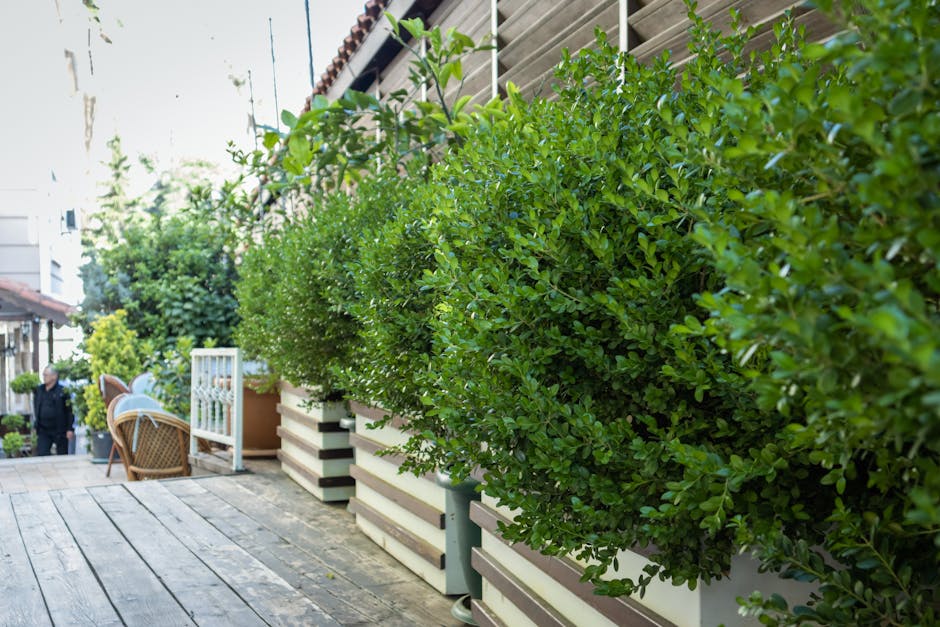
Vertical features help in tight spaces. Trellis, slatted screens, tall planters, pergolas, and even a carefully placed bench can break up long sightlines. For some homes, decking services can also help define zones and create a more inviting sitting area.
6. Choose plants that can cope
Terrace planting should match the actual conditions, not the fantasy version. Wind-tolerant plants, drought-aware choices, and species that suit the available light will usually outperform delicate favourites that look lovely in a shop and then sulk at home. This is where local experience matters. Wembley Central gardeners tend to know which plants behave themselves in exposed urban settings and which ones turn dramatic at the first cold spell.
7. Finish with details that make it usable
Lighting, furniture, watering access, and storage are not extras. They are what turn a nice-looking terrace into a space you use regularly. If you have to move five things just to sit down, the design is not finished yet. Simple as that.
Expert Tips for Better Results
Small terrace projects benefit from a bit of discipline. The space is limited, which means mistakes show up quickly. The upside is that good decisions also show quickly. Here are the tips that usually make the biggest difference.
- Use repetition carefully: Repeating the same pot, colour, or plant across the space creates calm. Too many different styles can make a terrace feel cramped.
- Think in layers: Ground level, mid-height planting, and vertical screening work better than a flat row of containers.
- Go one size larger with containers if you can: Bigger pots dry out more slowly and often suit terrace conditions better.
- Leave breathing room: A common mistake is filling every corner. Space itself is part of the design.
- Choose easy-care materials: Surfaces that can be swept, rinsed, or wiped down save effort later.
- Plan for watering access: If you need to drag a hose through the whole flat every time, you will soon start avoiding it. People do.
One more thing: do not be afraid of a simple layout. A lot of the best terrace gardens are not visually busy. They are calm, deliberate, and easy to live with. That is the real luxury, frankly.
Common Mistakes to Avoid
Terrace garden projects often go wrong for very ordinary reasons. Nothing dramatic. Just a few avoidable choices that stack up over time.
- Ignoring drainage: If water has nowhere to go, pots, surfaces, and roots all suffer.
- Overcrowding the space: Too many planters and accessories make a small terrace feel even smaller.
- Choosing plants for looks alone: Pretty plants that hate wind or shade usually become maintenance problems.
- Forgetting access routes: If you cannot move easily around the terrace, it will be annoying to use.
- Using mismatched materials: A bit of contrast is good. Too many textures and colours can feel messy.
- Skipping maintenance planning: Even low-maintenance terraces need occasional care, pruning, and cleaning.
There is also a psychological mistake people make: expecting the terrace to be perfect immediately. It rarely is. A good outdoor space often improves in stages. You might get the structure right first, then the planting settles in over a season or two. That is normal. No need to panic because one corner looks a little bare in week one.
Tools, Resources and Recommendations
For a terrace transformation, the useful tools are often the unglamorous ones. Measuring tape, pruning shears, sturdy gloves, a watering can, a level, and a dependable broom can do a lot of heavy lifting. If you are handling any tidy-up work yourself, basic protection and a sensible pace matter more than fancy kit.
For larger projects, the most useful professional resources usually include:
- site measurements and photos taken at different times of day
- a planting plan that notes sun, shade, and wind exposure
- a list of materials for surfaces, planters, and screening
- a maintenance schedule for watering, feeding, pruning, and sweeping
If your terrace needs broader improvements beyond planting, it may help to look at the company's wider service set too. The services overview gives a useful sense of how different outdoor jobs can fit together, while landscaping can be helpful where the terrace needs stronger structural work. For neighbourhood homes with bigger gardens attached, lawn mowing and hedge trimming may also sit alongside the terrace project as part of a wider refresh.
And if you care about tidy disposal and reusable materials, sustainability should not be an afterthought. Responsible removal of old plant matter, soil, and packaging helps keep the project cleaner and less wasteful. Small detail, yes. But it adds up.
Law, Compliance, Standards, or Best Practice
Most terrace garden transformations are straightforward, but there are a few sensible best-practice points worth keeping in mind. If your property is leasehold, shared, or part of a managed building, check whether there are any permission requirements before making structural changes. That is especially true for decked areas, permanent screens, or anything that could affect drainage, access, or shared boundaries.
Good garden work should also respect safety and practical standards. Heavy materials need to be handled safely, surfaces should be stable, and any work near edges, heights, or awkward access points should be approached carefully. If there is anything involving elevated work, slippery surfaces, or removal of mature material, the safer route is to use a gardener or landscaping team with proper insurance and a sensible safety process.
It is also wise to ask how waste is handled, how tools are stored during the job, and what happens if the project uncovers an issue such as poor drainage or damaged paving. Transparency matters. You want a clear answer, not vague hand-waving.
For peace of mind, it is sensible to review practical business pages such as insurance and safety, health and safety policy, and recycling and sustainability. If pricing and payment are part of your decision, the site's pricing and quotes and payment and security information can help set expectations before work begins.
Options, Methods, or Comparison Table
Not every terrace needs the same treatment. Some spaces need a light makeover, others need a more structural reset. The best approach depends on condition, budget, and how much use you want from the area.
| Approach | Best for | Main strengths | Watch-outs |
|---|---|---|---|
| Plant-led refresh | Terraces that already have decent surfaces | Fast visual improvement, lower disruption | Will not fix poor layout or drainage |
| Structural redesign | Spaces with awkward shape, bad surfaces, or weak flow | Creates a stronger long-term layout | More planning and higher effort required |
| Low-maintenance setup | Busy households or frequent travellers | Easy to maintain, practical year-round | Can feel a little restrained if overdone |
| Feature-led design | Spaces used for entertaining | Strong visual impact, clear focal point | Needs balance so it does not crowd the terrace |
A simple way to choose is this: if the terrace is basically sound but dull, go plant-led. If it is difficult to use, start with structure. If you are rarely at home, choose lower-maintenance planting and materials. And if you love hosting, build around seating and flow. No prize for overcomplicating it.
Case Study or Real-World Example
Here is a realistic example, without pretending it is some dramatic before-and-after miracle. A narrow terrace near Wembley Central had a few scattered containers, a tired timber screen, and a surface that felt slightly cramped because everything was placed against the edges. The owners wanted somewhere to sit in the evenings and a bit of privacy from neighbouring views.
The transformation started with clearing out the weakest items and checking which parts of the terrace actually got reliable light. The layout was then reworked so seating sat in the most comfortable spot, rather than simply the obvious one. Taller planting was added at the back for screening, with more robust pots used to anchor the design. A cleaner surface finish and a few repeated planting themes made the terrace feel calmer straight away.
What changed most was not the amount of greenery. It was the sense of order. The space now had a purpose, and once that happened, the whole flat felt a little brighter in the evening. Not over the top, just noticeably better. The sort of difference you feel when you open the door and think, yes, I can actually sit out here.
If the terrace had been more heavily overgrown, the first step might have been a proper garden clearance before any new design work began. That kind of sequencing often saves money and frustration later.
Practical Checklist
Use this checklist before you commit to a terrace transformation. It keeps the project grounded.
- Measure the terrace and note awkward corners or narrow access points
- Check where the sun, shade, and wind hit during the day
- Identify drainage problems or standing water
- Decide the main purpose of the space
- Remove clutter, dead plants, and broken items
- Choose a surface plan or confirm the existing surface is sound
- Plan screening for privacy if needed
- Select plants suited to the conditions, not just the look
- Leave space for easy movement and cleaning
- Decide how watering and maintenance will work
- Review safety, access, and any permission considerations
- Set a realistic budget and timeline
Quick reality check: if you cannot picture yourself using the terrace on a normal Tuesday evening, the design still needs work. That is usually the clearest test.
Conclusion
Wembley Central gardeners for terrace garden transformations can turn a cramped or uninspiring outdoor area into a space that feels useful, welcoming, and far more coherent. The best results come from clear planning, practical plant choices, and an honest look at how the terrace actually gets used. Not every space needs a dramatic overhaul. But nearly every terrace can be improved with the right mix of structure, planting, and sensible maintenance.
If you are thinking about a terrace garden refresh, start with the basics: assess the space, choose the job the terrace needs to do, and decide whether you need a simple uplift or a more complete redesign. From there, the project becomes much easier to manage. And yes, the difference can be surprisingly satisfying. A small outdoor space done well has a habit of making the rest of the day feel lighter.
Get a free quote today and see how much you can save.
For a friendly next step, you can also learn more about the team behind the service on the about us page, or get in touch through the contact us page when you are ready to talk through ideas.
Frequently Asked Questions
What does a terrace garden transformation usually include?
It usually includes some combination of clearing, redesign, planting, screening, surface improvements, and finishing details such as lighting or planters. The exact scope depends on the condition of the terrace and what you want it to do.
How long does a terrace garden project take?
It depends on the size of the terrace, the amount of clearance needed, and whether the work includes structural changes. A simple refresh may be fairly quick, while a more involved redesign naturally takes longer.
Can a small terrace really be made to feel bigger?
Yes. Smart layout, repeated planting, vertical screening, and reduced clutter can make a compact terrace feel more open and usable. It is not about adding more stuff; often it is about choosing less, but better.
What plants work best on windy terraces?
Plants that tolerate exposure and do not flop around too easily tend to perform better. A local gardener can help choose species that suit the amount of wind, light, and container space you have.
Do terrace gardens need a lot of maintenance?
Not necessarily. A well-designed terrace can be low maintenance if the planting is suitable and the layout is simple. Large pots, sensible materials, and the right plant mix usually reduce day-to-day effort.
Should I start with clearance or design?
Usually clearance comes first if the terrace is cluttered, overgrown, or hard to assess properly. Once the space is reset, it is much easier to plan a layout that actually works.
Is decking a good option for a terrace?
It can be, especially if you want to define a seating area or improve the feel of the surface. But it needs to suit the space and be installed or maintained properly. It is worth thinking through, not just choosing on looks alone.
How do I know whether I need landscaping or just gardening?
If the main task is planting, pruning, tidying, or refreshing containers, gardening may be enough. If you need changes to layout, surfaces, screens, or structure, broader landscaping is probably the better fit.
What should I ask before hiring gardeners for a terrace project?
Ask about the process, likely timescale, materials, maintenance needs, insurance, and how they handle waste. Clear answers early on are a good sign. If something sounds vague, it usually is.
Can a terrace transformation help with privacy?
Yes. Screens, trellis, layered planting, and carefully placed tall containers can soften views from nearby windows and make the terrace feel more secluded. Not completely hidden, unless that is genuinely possible, but definitely more comfortable.
What is the best way to keep a terrace looking good year-round?
Choose a mix of evergreen structure and seasonal planting, keep the layout simple, and build in a maintenance routine. A terrace that looks good in January as well as June usually has strong bones underneath the planting.
How do I avoid overspending on a terrace makeover?
Start with the essentials, not the decorative extras. Set priorities in this order: safety and structure, planting, then accessories. It is easy to get carried away with pots, lights, and decorative pieces. Very easy.